Longevity Clinics in Europe
Europe has 62 verified longevity clinics in this directory, across 11 countries and 44 cities, offering Comprehensive Biomarker Panels, Biological Age Testing and Executive Physical. Facts are checked against each clinic's own website.
Facts on this page are checked against each clinic's own website. Oldest check: 30 August 2026. 61 of the 62 listed have been checked so far.
Countries in Europe
Each country page sets out what the public health system there already covers, where it stops, and which register you can check a doctor on.
United Kingdom
12 clinics in 2 cities
Switzerland
10 clinics in 8 cities
Italy
9 clinics in 9 cities
Austria
7 clinics in 6 cities
Spain
6 clinics in 4 cities
France
5 clinics in 2 cities
Germany
5 clinics in 5 cities
Netherlands
5 clinics in 5 cities
Denmark
1 clinic in 1 city
Portugal
1 clinic in 1 city
Sweden
1 clinic in 1 city
United Kingdom
All 12 in United KingdomAeon Sciences
London · United Kingdom
Aeon Sciences is a membership-based London longevity clinic listing biomarker panels, biological age testing and executive physicals. Website offline.
Echelon Health
London · United Kingdom
Echelon Health is a longevity clinic in London listing full-body MRI, biomarker panels and executive physicals.

HOOKE London
London · United Kingdom
HOOKE London is a longevity clinic listing biomarker panels, executive physicals and cold plunge therapy.

Juvenology Clinic
Kent · United Kingdom
Juvenology Clinic is a longevity clinic in Kent listing stem cell therapy, PRP injections, red light therapy and IV vitamin therapy.

London Regenerative Institute
London · United Kingdom
London clinic offering epigenetic biological age screening, IV vitamin drips, hyperbaric oxygen, PRP injections and regenerative aesthetics.

Longevity Centre London
London · United Kingdom
Longevity Centre London is a longevity clinic listing biomarker panels, hormone optimisation, peptide therapy and IV vitamin therapy.
Switzerland
All 10 in Switzerland
AYUN
Zurich · Switzerland
Walk-in longevity clinic in central Zurich offering DEXA scans, VO2 max testing, epigenetic DNA analysis, hyperbaric oxygen and red light therapy.

Chenot Palace Weggis
Weggis · Switzerland
Chenot Palace Weggis is a longevity clinic listing biological age testing, biomarker panels, red light therapy and IV vitamin therapy.

Clinic X
Zurich · Switzerland
Clinic X is a longevity clinic in Zurich listing full-body MRI, VO2 max testing, DEXA scans and biological age testing.

Clinique La Prairie
Montreux · Switzerland
Clinique La Prairie is a longevity clinic in Montreux listing biomarker panels, stem cell therapy and executive physicals.

Health Center Clinique Lemana
Le Mont-Pelerin · Switzerland
Doctor-led Swiss clinic near Vevey since 1952: epigenetic biological-age testing, OligoCheck scans, injection cures and therapeutic fasting.
Longevity Center
Zurich · Switzerland
Longevity Center is a longevity clinic in Zurich listing biological age testing, biomarker panels, hormone optimisation and executive physicals.
Italy
All 9 in Italy
Centro Medico BluGallery
San Severino Marche, Marche · Italy
Cardiologist-led longevity pathways in San Severino Marche: ECG, echocardiography, carotid doppler, DEXA and coronary calcium scoring.

Longevia
Rome · Italy
Rome longevity clinic: a 360-degree check-up with genetic testing and bioimpedance, plus NAD drips, cryotherapy at minus 87 degrees and PRP.

Longevitas
Rivoli, Turin · Italy
Precision-medicine clinic near Turin: 500-marker check-ups, biological age, VO2 max, IHHT, cryotherapy and red-light photobiomodulation.
Longevity Center
Bari, Apulia · Italy
Diagnostics-led longevity centre in Bari offering telomere and epigenetic biological-age testing, VO2 max and eight IV protocols including NAD+.

Longevity Medical Center
Bussolengo, Veneto · Italy
Bussolengo clinic offering biological-age, epigenetic, microbiota and blood-panel testing across nine doctor-led longevity programmes.
Lucia Magnani Health Clinic
Castrocaro Terme, Forli-Cesena · Italy
Residential clinic-hotel at Castrocaro Terme: Long Life Formula check-ups, whole-body MRI, CT, DEXA and oxidative stress testing.
Austria
All 7 in Austria
Clinic for Longevity & Beauty
Graz, Styria · Austria
Graz clinic with five priced longevity programmes from 490 euros: epigenetic and telomere testing, hormone and microbiome panels, NAD+ infusions.

Healthy Aging Medical Center Vienna
Vienna, Vienna · Austria
Vienna practice testing 80-plus gene variants and biological age from telomeres, with hormone therapy, own-blood plasma injections and oxygen sessions.

Lanserhof
Lans · Austria
Lanserhof lists 6 longevity services, including biological age testing, biomarker panels, hormone optimisation and executive physicals.

Longevity Center Vienna
Vienna, Vienna · Austria
Vienna 1st-district longevity centre with published prices - cryotherapy from 49 euros, NAD+ drips from 349, fitness and metabolism testing from 550.
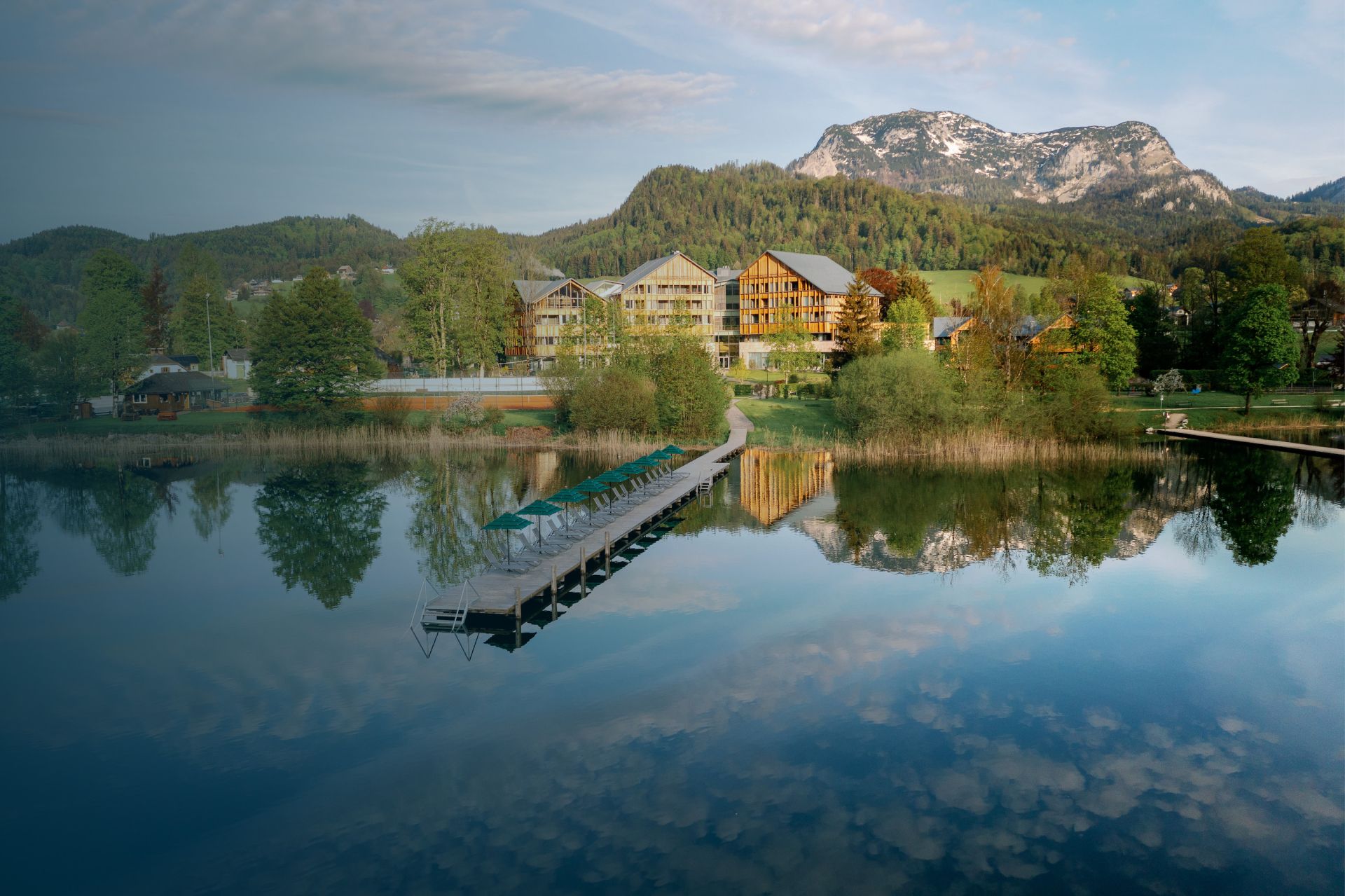
MAYRLIFE
Altaussee · Austria
MAYRLIFE is a longevity clinic in Altaussee, Austria, listed here for biomarker panels, cryotherapy and IV vitamin therapy. Pricing and programme details are not published in this listing.

Park Igls Medical Spa Resort
Innsbruck, Tyrol · Austria
Residential Modern Mayr programmes in Innsbruck-Igls from 2,158 euros, with ultrasound, ECG, hormone panels and IV vitamin drips.
Spain
All 6 in Spain
Age Reversal
Barcelona · Spain
Barcelona longevity clinic on Avenida Diagonal, offering one-day health assessments with whole-body scans, blood biomarkers and biological age testing.
Longevitek
Barcelona · Spain
Longevitek is a longevity clinic in Barcelona listing full-body MRI screening and continuous glucose monitoring, alongside other Barcelona clinics.
Monarka Clinic
Barcelona · Spain
Monarka Clinic in Barcelona lists 5 longevity services, including biomarker panels, hormone optimisation, PRP injections and executive physicals.

Palasiet Wellness Clinic
Benicassim · Spain
Palasiet Wellness Clinic is a longevity clinic in Benicassim listing biological age testing and biomarker panels.

Progevita
Valencia · Spain
Progevita is a longevity clinic in Valencia listing VO2 max testing, biomarker panels, executive physicals and IV vitamin therapy.

SHA Wellness Clinic
Alfaz del Pi · Spain
SHA Wellness Clinic in Alfaz del Pi lists 5 longevity services, including biological age testing, biomarker panels, stem cell therapy and NAD+ IV therapy.
France
All 5 in France
Check-Up Center - American Hospital of Paris
Neuilly-sur-Seine · France
Neuilly-sur-Seine check-up unit founded 1991: packages from 1,900 to 4,400 euros, calcium scoring, cardiac and breast screening.

Institut Prevention Sante Longevite
Paris · France
Preventive medicine institute in Paris 16 listing three health assessments of increasing depth, with a specialist report consultation and six-month follow-up.

La Clinique de Paris
Paris · France
Anti-ageing clinic at 77 Avenue Paul Doumer in Paris 16, open since 1978, offering preventive check-ups, hormone therapy and vitamin infusions.

Montaigne Sante
Paris · France
Half-day check-up centre on avenue Montaigne, Paris: blood panels, cardiac ultrasound, calcium scoring, spirometry, results in 15 days.

Zoi
Paris · France
Paris check-up centre, 990 to 4,990 euros: DEXA scans, 150+ biomarkers, whole-body MRI on the top tier, 12 months of follow-up.
Germany
All 5 in Germany
Buchinger Wilhelmi
Uberlingen · Germany
Buchinger Wilhelmi is a therapeutic fasting and integrative medicine clinic in Uberlingen on Lake Constance, listing comprehensive biomarker panels.
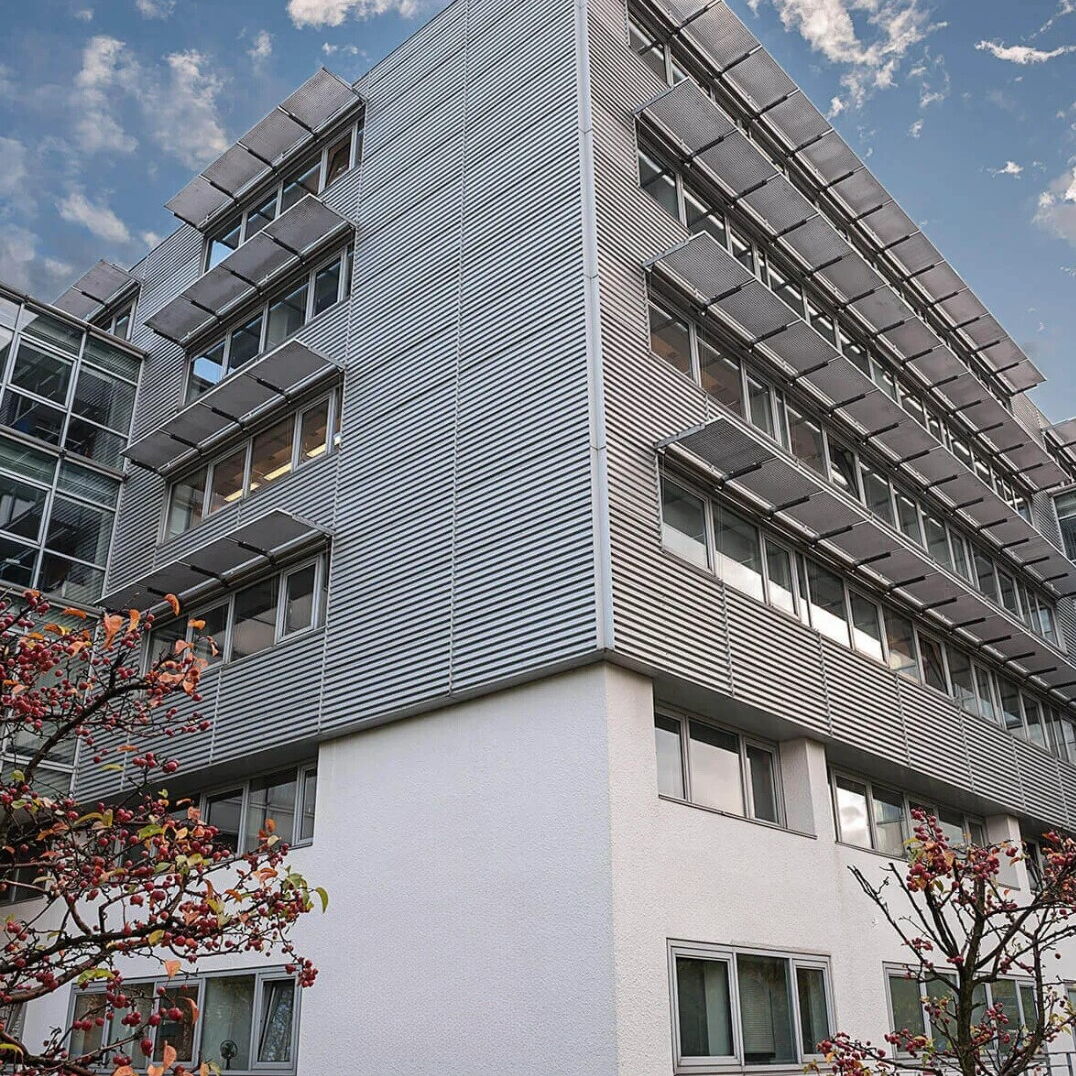
Metamedicum
Essen, North Rhine-Westphalia · Germany
Essen private check-up centre: Basis, Kompakt, Kardio and Gastro packages with in-house MRI, stress ECG, endoscopy and lab panels.

Privatpraxis am Kosttor
Munich, Bavaria · Germany
Munich private practice with a longevity programme: spiroergometry, CGM glucose sensors, metabolome and hormone testing, NAD+ infusions.

Villa Stéphanie at Brenners Park
Baden-Baden · Germany
Longevity clinic at Brenners Park in Baden-Baden, focused on preventative medicine and healthspan. Service details are pending verification.

YEARS Preventive Medicine
Berlin, Berlin · Germany
Berlin clinic selling one-day check-ups from EUR 1,900 to EUR 16,900: whole-body MRI, VO2 max, liquid biopsy and up to 230 biomarkers.
Netherlands
All 5 in Netherlands
Ayusya Clinic
Eemnes, Utrecht · Netherlands
Eemnes longevity clinic since 2010: EUR 375 first consult, DNA and epigenetic biological-age testing, hormone therapy, red light and IHHT.

Prescan
Baarn · Netherlands
Private clinic in Baarn offering one-day MRI bodyscans, cardiac checks with ECG, blood panels and dermatology mole checks.

Qualevita
Amsterdam · Netherlands
Qualevita's Amsterdam flagship on Van Baerlestraat: free intake consultation, blood and 24-hour urine analysis, IV infusions and longevity programmes.
ScanClinic
Houten, Utrecht · Netherlands
Every price ScanClinic publishes in Houten: full-body MRI from EUR 1,250, VO2 max at EUR 295, Platinum Health at EUR 3,950, plus what the evidence says.
Vital Aging Clinic
Noordwijk, South Holland · Netherlands
Noordwijk longevity clinic: extensive medical intake with blood work, VO2 max and body composition, plus DNA, epigenetic and microbiome tests.
Denmark
All 1 in Denmark
Portugal
All 1 in Portugal
Sweden
All 1 in Sweden
What you will find in Europe
Every public health system in Europe runs a short list of screening programmes for healthy adults and then deliberately declines to go further, and the private clinics listed across this region sell into exactly that gap. Two quite different businesses do it. The residential model sells a stay of several days or a week at a clinic-hotel in the Alps, on the Mediterranean or in an old spa town, with imaging, blood work, consultations, meals and the room inside a single price; the urban diagnostic model sells the appointment itself, a scanner slot and a doctor's hour booked singly in a city centre, often alongside a radiology practice or a private hospital.
What separates two listings offering the same named tests is rarely the test. It is who reads the result and on which national register that person sits, whether the scan or panel has an ordinary route through the public system when there is a clinical reason for it, and what is supposed to happen in the six months afterwards. Those things vary sharply by country, because private practice sits differently beside the public system in each one and because the rules on prescribing a medicine outside its licensed use are written nationally, not by the Union.
How European systems differ
The public offer to a healthy European adult is small, cheap and mostly conversational. Germany's statutory funds pay for the Gesundheitsuntersuchung, set out in the health examination directive of the Gemeinsamer Bundesausschuss (Federal Joint Committee): once between 18 and 34 as a history, examination and risk assessment, then every three years from 35, when blood glucose, cholesterol and a urine test are added, along with a one-off hepatitis B and C screen and, for men from 65, a single ultrasound for abdominal aortic aneurysm. England's National Health Service (NHS) Health Check gives people aged 40 to 74 who do not already have a qualifying condition a cardiovascular risk assessment every five years, and France's Mon bilan prévention offers four free consultations of 30 to 45 minutes at ages 18 to 25, 45 to 50, 60 to 65 and 70 to 75, delivered by a doctor, nurse, pharmacist or midwife and built around a conversation rather than a test panel.
Where each system stops is a stated decision, not an oversight. The UK National Screening Committee's appraisal criteria, revised in September 2022, demand a simple, safe, precise and validated test plus evidence that intervening before symptoms appear produces better outcomes than usual care; applying them to prostate cancer in March 2026, the committee advised against population screening and backed only targeted two-yearly prostate specific antigen (PSA) testing for men aged 45 to 61 who carry a BRCA2 gene variant alongside a relevant family history. Sweden's Socialstyrelsen (National Board of Health and Welfare) has separately ruled that PSA screening should not be offered to men aged 50 to 70, because a national programme would diagnose many men with cancer that would never have made them ill, and the Netherlands went furthest by legislating: under the Wet op het bevolkingsonderzoek (Population Screening Act), cancer screening, screening using ionising radiation and screening for conditions that cannot be treated each require a ministerial licence granted on the advice of the Gezondheidsraad (Health Council of the Netherlands) and refused where expected benefit does not outweigh risk, and the Dutch national institute for public health and the environment states that offering a magnetic resonance imaging (MRI) or computed tomography (CT) scan as a health test is not permitted there.
None of this makes the tests unobtainable. Imaging for a symptom, coronary assessment for chest pain, colonoscopy after a positive bowel screening test, bone density scanning for fracture risk and genetic testing where family history warrants it are ordinary care in most of these systems, though the gate can be legal as well as clinical: Germany's Gendiagnostikgesetz (Genetic Diagnostics Act) reserves predictive genetic testing to doctors holding the relevant qualification and requires counselling both before the test and after the result. Germany also makes the private layer unusually visible, since services a doctor may sell privately are called Individuelle Gesundheitsleistungen (individual health services, or IGeL) and the statutory funds' own Medizinischer Dienst Bund publishes evidence assessments of them, rating the PSA test for early prostate cancer detection tendenziell negativ, tending to negative.
Clinical responsibility rests with a named doctor on a national register, and those registers are national rather than European. The United Kingdom has the General Medical Council (GMC) and its Specialist Register, France the Conseil national de l'Ordre des médecins, Germany the Landesärztekammern (state medical chambers), and Switzerland the Medizinalberuferegister (MedReg) held by the Bundesamt für Gesundheit (Federal Office of Public Health), on which every practising doctor has had to appear since 1 January 2018. Longevity medicine is a recognised speciality essentially nowhere in the region: it is absent from Annex V of Directive 2005/36/EC on the recognition of professional qualifications, the list member states recognise automatically, and from the German medical association's model training regulation, whereas geriatric medicine is a distinct speciality in more than twenty European countries, so the registrable qualification behind a longevity practice is always something else and a register search will name it.
Prescribing fragments hardest of all: somatropin, recombinant human growth hormone, is authorised in the European Union only for growth hormone deficiency and a short list of growth disorders, which makes any use aimed at ageing off-label, and the off-label rules themselves are not uniform, since British doctors must satisfy the GMC that there is sufficient evidence or experience of safety and efficacy and must own the monitoring, while Italian doctors work under Law 94 of 8 April 1998, which permits off-label use only where an authorised medicine cannot usefully treat the patient and the use rests on published data, after the patient has been informed and has consented. Most injectable peptides sold in this market hold no marketing authorisation anywhere in the region, so supply runs through the pharmacy compounding exemption in Article 3 of Directive 2001/83/EC or a national unlicensed-import scheme, and the United Kingdom's Medicines and Healthcare products Regulatory Agency states that such a special must answer an individual patient's clinical need, not cost or convenience. Cell-based products are stricter again: they are advanced therapy medicinal products (ATMPs) under Regulation (EC) No 1394/2007 and normally need a central marketing authorisation, the Article 28 hospital exemption reaching only non-routine preparation for a single patient, used in a hospital under a doctor's responsibility inside the same member state, and in March 2025 the European Medicines Agency and the Heads of Medicines Agencies warned jointly that unregulated ATMPs marketed direct to patients pose serious risks to health.
Services available in Europe
Every service listed by at least one verified clinic here, most widely offered first. Each links to what it is, what it costs and what the evidence shows.
Diagnostic
A longevity blood panel goes well past a routine check-up, adding cholesterol particle counts, inflammation markers, hormones and early metabolic signals.
A biological age test estimates how old your body behaves, usually by reading chemical tags on your DNA and converting the pattern into a number of years.
An executive physical packs a year of check-ups into one day: bloods, imaging, a heart and fitness assessment, and a doctor who explains all of it.
A VO2 max test measures the most oxygen your body can use during hard exercise, the fitness number most strongly tied to long-term health.
A full-body MRI is a whole-body scan that looks for tumours, aneurysms and organ disease before symptoms appear, using magnets rather than X-rays.
A DEXA scan is a low-dose X-ray that measures muscle, fat, the fat around your organs and bone density far more precisely than any scale can.
A continuous glucose monitor is a small arm sensor that tracks blood sugar every few minutes for two weeks, showing what each meal actually does to you.
Therapy
IV vitamin therapy drips vitamins and minerals straight into a vein. It is real treatment for a diagnosed deficiency and weakly supported for anyone else.
Hormone optimisation is prescription treatment - testosterone, menopausal hormone therapy, thyroid - given for symptoms confirmed by repeat blood tests.
NAD+ IV therapy is a slow drip of a molecule every cell uses to move energy around. The reasoning is well known; the human evidence behind it is very thin.
A PRP injection concentrates the healing platelets from your own blood and puts them back into a painful joint, a stubborn tendon or the scalp.
Stem cell therapy injects cells from your own body or a donor, most often into a painful joint. Almost all of it is unapproved and the trials are mixed.
Peptide therapy prescribes short chains of amino acids that act as signals in the body, a category running from licensed medicines to unapproved compounds.
Hyperbaric oxygen therapy means breathing oxygen inside a pressurised chamber. It is proven hospital treatment for a short, specific list of conditions.
Lifestyle
Whole-body cryotherapy is two to three minutes in a chamber near minus 120 degrees Celsius, used for recovery, with less evidence behind it than an ice bath.
Red light therapy shines red and near-infrared light on the skin. The evidence is reasonable for skin and hair, mixed for pain, and absent for ageing.
A cold plunge is a few minutes in water around 4 to 15 degrees Celsius. Reliable for mood and soreness, and best kept well away from your lifting sessions.
Concierge
Concierge medicine is an annual fee paid to a practice for access: same-day appointments, longer visits, and a doctor who carries far fewer patients.
Longevity Drug
Senolytics are compounds meant to clear worn-out cells that stop dividing but refuse to die. Convincing in mice, and still unproven in people.
What it costs in Europe
From this directory
Of the 32 priced clinics in Europe, 5 are in the entry band ($), 4 in the mid band ($$), 18 in the upper band ($$$) and 5 in the top band ($$$$). 30 further listings do not publish enough to place. 2 of the 62 require a membership rather than selling services one at a time; the rest can be booked individually.
The residential format is not an invention of this market. German statutory insurance still pays for treatment at spa towns: sickness funds provide medically necessary outpatient preventive treatment at a recognised Kurort under paragraph 23 of the Fifth Book of the Social Code (SGB V), which the statute words as something the fund provides rather than may provide. The private clinic-hotel sits on that older habit and reprices it, which is why a medical week by a lake or in the mountains reads as a plausible product here and rarely does elsewhere.
Two quoted prices for the same named test usually differ on what surrounds it: a scan reported on site by a consultant radiologist, a panel run in an accredited laboratory, and a price that carries the follow-up consultation, the written plan and the repeat test all cost more than a scanner slot and a printout, and a residential format adds hotel nights, catering and staff hours that are not diagnostics at all. Insurance almost never pays. Directive 2011/24/EU on patients' rights in cross-border healthcare reimburses treatment abroad only where that treatment is among the benefits you are entitled to at home, and only up to what the home system would have paid; the European Health Insurance Card (EHIC) covers neither planned treatment nor private providers; and Switzerland sits outside the directive altogether.
A doctor licensed in one member state is not automatically your doctor in another, and what is lawful to buy also moves with the border, France for instance penalising the ordering of genetic testing outside the medical and research framework its law sets out. Directive 2011/24/EU requires the treating country to have professional liability arrangements and complaints procedures and gives you the right to at least a copy of your medical record, and Commission Implementing Directive 2012/52/EU means a prescription written abroad should carry the details a pharmacy at home needs, but neither obliges your own doctor to continue a regimen they did not start or to act on a report written in another language and another clinical culture. So the questions worth asking before booking are who telephones you about an ambiguous result and how soon, who holds the images and the raw laboratory data and in what format you can take them home, and whether the recommended recheck in three or six months means another flight.
What the evidence says
Independent reviews of the research behind services these clinics sell. They run whether or not the verdict suits the directory.
Longevity clinics in Europe: common questions
Does European public health insurance cover a longevity clinic check-up?
No, almost nowhere. These are self-pay services. The European Union's cross-border healthcare directive reimburses treatment abroad only when the same treatment is a benefit you are entitled to at home, and then only up to the home price, so screening that no public system offers to well adults is not reimbursable. The European Health Insurance Card covers unplanned care through public providers and excludes both planned treatment and private clinics. Switzerland sits outside the directive.
Can I get the same tests through my own doctor instead?
Often yes, when there is a clinical reason. Imaging for a symptom, coronary assessment for chest pain, colonoscopy after a positive bowel screening test, bone density scanning for fracture risk and genetic testing where family history warrants it are ordinary care across most European systems. What public systems decline to do is run those tests on people with no indication, because the appraisal criteria they publish require evidence that acting before symptoms appear improves outcomes.
Is longevity medicine a recognised medical speciality in Europe?
No. It does not appear among the specialist titles in Annex V of the European Union directive on the recognition of professional qualifications, which is the list member states recognise automatically, nor in the German medical association's model training regulation. Geriatric medicine, by contrast, is a distinct speciality in more than twenty European countries. A doctor practising longevity medicine holds a registrable qualification in something else, and the national register will show which.
What is the difference between a residential longevity retreat and a city longevity clinic?
A residential programme sells a stay, typically several days to a week at a clinic-hotel in the Alps, on the Mediterranean or in a spa town, with imaging, blood work, consultations, meals and accommodation inside one price. A city clinic sells the appointment: a scanner slot, a blood draw and a doctor's hour, booked singly. The test lists overlap heavily. The price gap mostly reflects hotel nights, catering and staff hours rather than extra diagnostics.
What happens if a test abroad finds something that needs following up?
Usually another appointment, and often another flight. The European cross-border healthcare directive gives you the right to at least a copy of your medical record and requires the treating country to have complaints and liability arrangements, but it does not make the clinic's doctor responsible for your care at home, and your own doctor is not obliged to continue a plan they did not write. Ask before booking who calls you about an ambiguous result, and who holds the raw images.