Longevity Clinics in the Netherlands
The Netherlands has 5 verified longevity clinics in this directory, in 5 cities, offering Comprehensive Biomarker Panels, VO2 Max Testing and Biological Age Testing. Facts are checked against each clinic's own website.
Facts on this page are checked against each clinic's own website. Oldest check: 30 August 2026.
Amsterdam
Amsterdam guide
Baarn
Baarn guide
Eemnes
Eemnes guide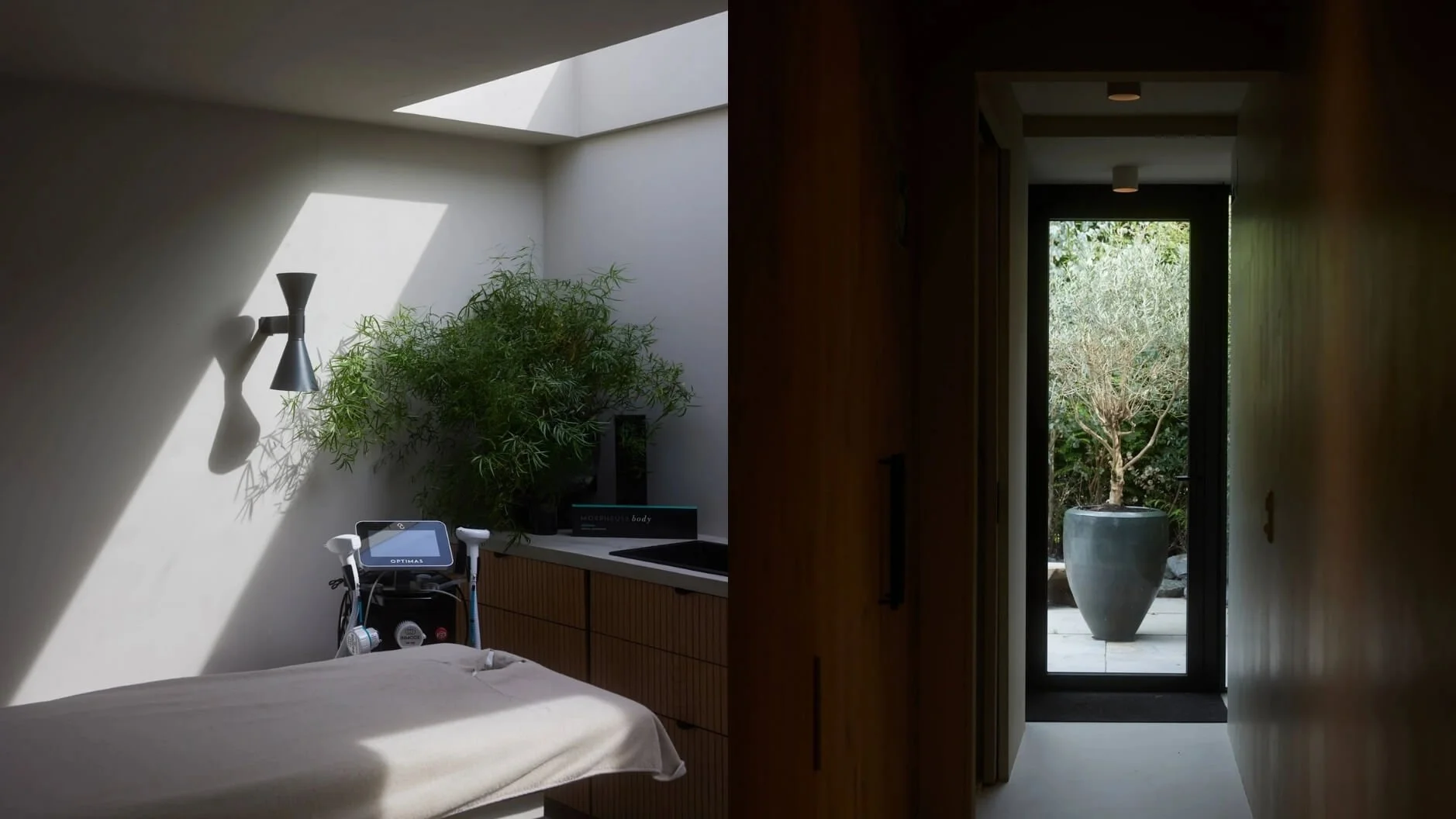
Houten
Houten guide
Noordwijk
Noordwijk guideCities in the Netherlands
Each city page carries the local listings, the services those clinics offer and what to know before booking there.
What you will find in the Netherlands
Private longevity clinics in the Netherlands operate under the Wet op het bevolkingsonderzoek, the Population Screening Act, which requires a licence from the Minister of Health, Welfare and Sport before cancer screening, screening that uses ionising radiation such as a CT (computed tomography) scan, or screening for serious conditions that cannot be treated or prevented may be offered to the population or to a category of it. RIVM, the national institute for public health and the environment, states the practical effect plainly: doing an MRI (magnetic resonance imaging) or CT scan as a health test is prohibited here because that licence is required.
What an unlicensed provider can still sell is the part falling outside those categories, which is blood panels, questionnaires and consultation time. The providers sort into a few recognisable kinds: doctor-led private practices built around a long consultation and a wide blood panel, sometimes running alongside an ordinary huisarts (general practitioner) practice; private diagnostic centres offering ultrasound and body composition measurement; single-service outlets offering intravenous vitamin or NAD (nicotinamide adenine dinucleotide) drips, often attached to an aesthetic clinic; and hormone-focused practices.
One pattern is specific to this country: an operator sells the consultation in the Netherlands and has the radiation-based scan performed abroad. RIVM describes exactly that on its own website, noting that organisations here do offer total body scans outside healthcare and that the scans using radiation then take place in another country.
Longevity medicine in the Netherlands
Everyone who lives or works in the Netherlands must hold basic health insurance under the Zorgverzekeringswet, the Health Insurance Act, and it is the government rather than the insurer that decides what the basic package contains. That package covers care for illness. The national population screening programmes sit outside it, financed directly by the state and offered free of charge, and coordinated by RIVM (Rijksinstituut voor Volksgezondheid en Milieu, the national institute for public health and the environment) on behalf of the Ministry of Health, Welfare and Sport.
Those programmes are narrow: mammography every two years for women aged 50 to 75, a home stool test for bowel cancer for everyone aged 55 to 75, cervical screening, and the prenatal and newborn programmes. Neither the basic package nor the state programmes offers anything to a healthy 45-year-old who wants a broad panel of blood markers, and that deliberate absence is what the private sector sells into.
The gap is a policy, not an oversight. Under the Population Screening Act the minister must refuse a licence if a screening programme is scientifically unsound, if it conflicts with the rules on medical treatment, or if its expected benefit does not outweigh the risks to the people being screened, and the standing population screening committee of the Gezondheidsraad (Health Council) assesses each application against those criteria before the minister decides. A bill to amend the Act in the light of developments in preventive health screening was withdrawn by the State Secretary for Youth, Prevention and Sport on 24 January 2025, leaving the older law in force.
The huisarts, the Dutch general practitioner, is the gatekeeper of the system: outside an emergency, medical specialist care is reimbursed only after a referral from a doctor, and GP care is one of the few things exempt from the eigen risico, the compulsory deductible of 385 euros in 2026 that you pay towards basic-package care before the insurer takes over. Where there is a clinical reason, a symptom, a risk factor or a family history, a huisarts can order blood tests, including glucose and HbA1c (glycated haemoglobin, a measure of average blood sugar), cholesterol, kidney, liver and thyroid markers, and can refer onward for imaging. What a GP will not usually do is order a wide panel simply because you asked, which is the honest reason people pay privately.
Anyone practising as a doctor here must appear in the BIG-register, the public register kept under the Wet BIG (Wet op de beroepen in de individuele gezondheidszorg, the Individual Healthcare Professions Act) by CIBG, the agency that maintains it on behalf of the Ministry of Health, Welfare and Sport, covering eleven professions including doctor, pharmacist, physiotherapist and nurse. Only a registered professional may use the protected title and independently perform the reserved acts attached to it, and anyone can search the register by name or registration number.
Specialist titles sit in a separate layer, the specialistenregister and profielartsenregister held by the RGS (Registratiecommissie Geneeskundig Specialisten, the registration committee for medical specialists), and there is no recognised Dutch specialism in longevity or age-management medicine - the doctor in front of you is a huisarts, an internist, a radiologist, or a doctor with no specialist title at all.
Products are regulated more tightly than consultations. A medicine needs a marketing authorisation, assessed by the CBG (College ter Beoordeling van Geneesmiddelen, the Medicines Evaluation Board) or its European counterpart, before it may be marketed here, though the Geneesmiddelenwet exempts small-scale preparation by or on the instruction of a pharmacist, for dispensing in a pharmacy, from the manufacturing licence requirement. That exemption is the route by which a compounded hormone or peptide preparation can reach a patient without an authorisation of its own.
Human body material is governed separately again: the Wet veiligheid en kwaliteit lichaamsmateriaal, the Safety and Quality of Body Material Act, makes it an offence to obtain, process, preserve, store, distribute, import or export human body material without recognition from the minister.
Oversight of the providers themselves falls to the IGJ (Inspectie Gezondheidszorg en Jeugd, the Health and Youth Care Inspectorate), part of the Ministry of Health, Welfare and Sport. The Wkkgz (Wet kwaliteit, klachten en geschillen zorg, the Healthcare Quality, Complaints and Disputes Act) obliges any care provider, private clinics included, to deliver what the Act calls safe, effective, efficient and client-centred care, to give you information about what is offered and at what tariff when you ask for it, and to run a written complaints procedure.
Services available in the Netherlands
Every service listed by at least one verified clinic here, with the clinics that offer it. Each service links to what it is, what it costs and what the evidence shows.
Diagnostic
A longevity blood panel goes well past a routine check-up, adding cholesterol particle counts, inflammation markers, hormones and early metabolic signals.
Ayusya Clinic, Prescan, ScanClinic, Vital Aging Clinic, Qualevita
A VO2 max test measures the most oxygen your body can use during hard exercise, the fitness number most strongly tied to long-term health.
A biological age test estimates how old your body behaves, usually by reading chemical tags on your DNA and converting the pattern into a number of years.
A full-body MRI is a whole-body scan that looks for tumours, aneurysms and organ disease before symptoms appear, using magnets rather than X-rays.
An executive physical packs a year of check-ups into one day: bloods, imaging, a heart and fitness assessment, and a doctor who explains all of it.
Therapy
Hormone optimisation is prescription treatment - testosterone, menopausal hormone therapy, thyroid - given for symptoms confirmed by repeat blood tests.
IV vitamin therapy drips vitamins and minerals straight into a vein. It is real treatment for a diagnosed deficiency and weakly supported for anyone else.
Lifestyle
Red light therapy shines red and near-infrared light on the skin. The evidence is reasonable for skin and hair, mixed for pain, and absent for ageing.
What it costs in the Netherlands
From this directory
Of the 3 priced clinics in the Netherlands, 1 is in the entry band ($) and 2 in the mid band ($$). 2 further listings do not publish enough to place.
Assume you pay the whole bill. The basic package is set nationally and does not fund testing of people without symptoms outside the state programmes, and the aanvullende verzekering, the supplementary policy each insurer sells on its own terms, varies from insurer to insurer, so the only reliable check is the policy wording rather than the clinic's reassurance.
There is a second cost that no quote shows. If a private result comes back abnormal, the follow-up runs through the public system, where the visit to your huisarts, your Dutch general practitioner, is exempt from the eigen risico, the compulsory deductible, but the specialist appointment and any hospital imaging are not.
Two quotes usually differ on four things rather than on quality: whether imaging is included and of what kind; whether a scan is done in-house, bought from a radiology centre, or performed across the border; how much of a doctor's time you actually get as opposed to a technician's; and whether repeat testing and a follow-up consultation sit inside the fee or are billed again later.
Before paying, get in writing which named doctor interprets your results and their number in the BIG-register, the Dutch statutory register of healthcare professionals, whether you receive the raw laboratory and imaging reports rather than a summary, whether a letter goes to your huisarts, and who pays if the clinic recommends a repeat scan.
If any part of the testing happens outside the Netherlands, ask where the records are held, in which language the report is written, and whether an ambiguous finding requires a second trip - a Dutch GP cannot act on a report they cannot obtain or read, and the complaints and disputes route under the Wkkgz, the Dutch healthcare quality and complaints act, covers care provided in the Netherlands.
What the evidence says
Independent reviews of the research behind services offered by clinics in the Netherlands. They run whether or not the verdict suits the directory.
Longevity clinics in the Netherlands: common questions
Are full body scans legal in the Netherlands?
Not without a licence. The Wet op het bevolkingsonderzoek, the Population Screening Act, requires a ministerial licence for screening that uses ionising radiation, for cancer screening, and for screening for serious conditions that cannot be treated or prevented, so a CT (computed tomography) scan sold as a health check falls inside it. RIVM, the national institute for public health and the environment, states that doing an MRI (magnetic resonance imaging) or CT scan as a health test is prohibited here, and that organisations in the Netherlands offering total body scans outside healthcare have the scans that use radiation carried out in another country.
Does Dutch health insurance pay for a longevity clinic check-up?
No. The basic package under the Zorgverzekeringswet, the Health Insurance Act, is set by government and covers care for illness, and it does not fund private testing of people without symptoms. The national screening programmes for breast, bowel and cervical cancer sit outside that package: the state finances them and offers them free of charge to the age groups it invites. Supplementary policies are sold separately by each insurer on its own terms, so read the wording rather than the clinic's reassurance, and expect the compulsory deductible of 385 euros in 2026 to apply to any specialist follow-up.
Can I ask my huisarts for these tests instead of paying a clinic?
You can ask, and for several of them the answer may be yes. A Dutch huisarts, or general practitioner, can order blood tests for glucose, HbA1c (glycated haemoglobin, a measure of average blood sugar), cholesterol, kidney, liver and thyroid function, and can refer you onward, when there is a clinical reason such as symptoms, a risk factor or family history. GP care is exempt from the compulsory deductible. What a GP will not usually do is run a broad panel on request alone.
How do I check that a clinic's doctor is properly qualified?
Look the doctor up in the BIG-register. It is the public register kept under the Wet BIG, the Individual Healthcare Professions Act, by the government agency CIBG on behalf of the Ministry of Health, Welfare and Sport, and anyone can search it by name or registration number. Only a registered professional may use the protected title and independently perform the reserved acts that go with it. Specialist titles sit in separate registers held by the RGS, the Registratiecommissie Geneeskundig Specialisten or registration committee for medical specialists, and no Dutch specialism in longevity medicine exists.
Is there good evidence that these check-ups make healthy people healthier?
The evidence is thinner than the marketing suggests, and Dutch law is built around that doubt. Under the Population Screening Act the minister must refuse a licence when a screening programme is scientifically unsound, or when its expected benefit does not outweigh the risks to those screened, and the Gezondheidsraad, the Health Council, assesses every application first through its standing population screening committee. Broad testing in people without symptoms turns up findings that need chasing, and the chasing carries its own risk and cost.