Longevity Clinics in Italy
Italy has 9 verified longevity clinics in this directory, in 9 cities, offering Comprehensive Biomarker Panels, Biological Age Testing and Executive Physical. Facts are checked against each clinic's own website.
Facts on this page are checked against each clinic's own website. Oldest check: 30 August 2026.

Centro Medico BluGallery
San Severino Marche, Marche · Italy
Cardiologist-led longevity pathways in San Severino Marche: ECG, echocardiography, carotid doppler, DEXA and coronary calcium scoring.

Longevia
Rome · Italy
Rome longevity clinic: a 360-degree check-up with genetic testing and bioimpedance, plus NAD drips, cryotherapy at minus 87 degrees and PRP.

Longevitas
Rivoli, Turin · Italy
Precision-medicine clinic near Turin: 500-marker check-ups, biological age, VO2 max, IHHT, cryotherapy and red-light photobiomodulation.
Longevity Center
Bari, Apulia · Italy
Diagnostics-led longevity centre in Bari offering telomere and epigenetic biological-age testing, VO2 max and eight IV protocols including NAD+.

Longevity Medical Center
Bussolengo, Veneto · Italy
Bussolengo clinic offering biological-age, epigenetic, microbiota and blood-panel testing across nine doctor-led longevity programmes.
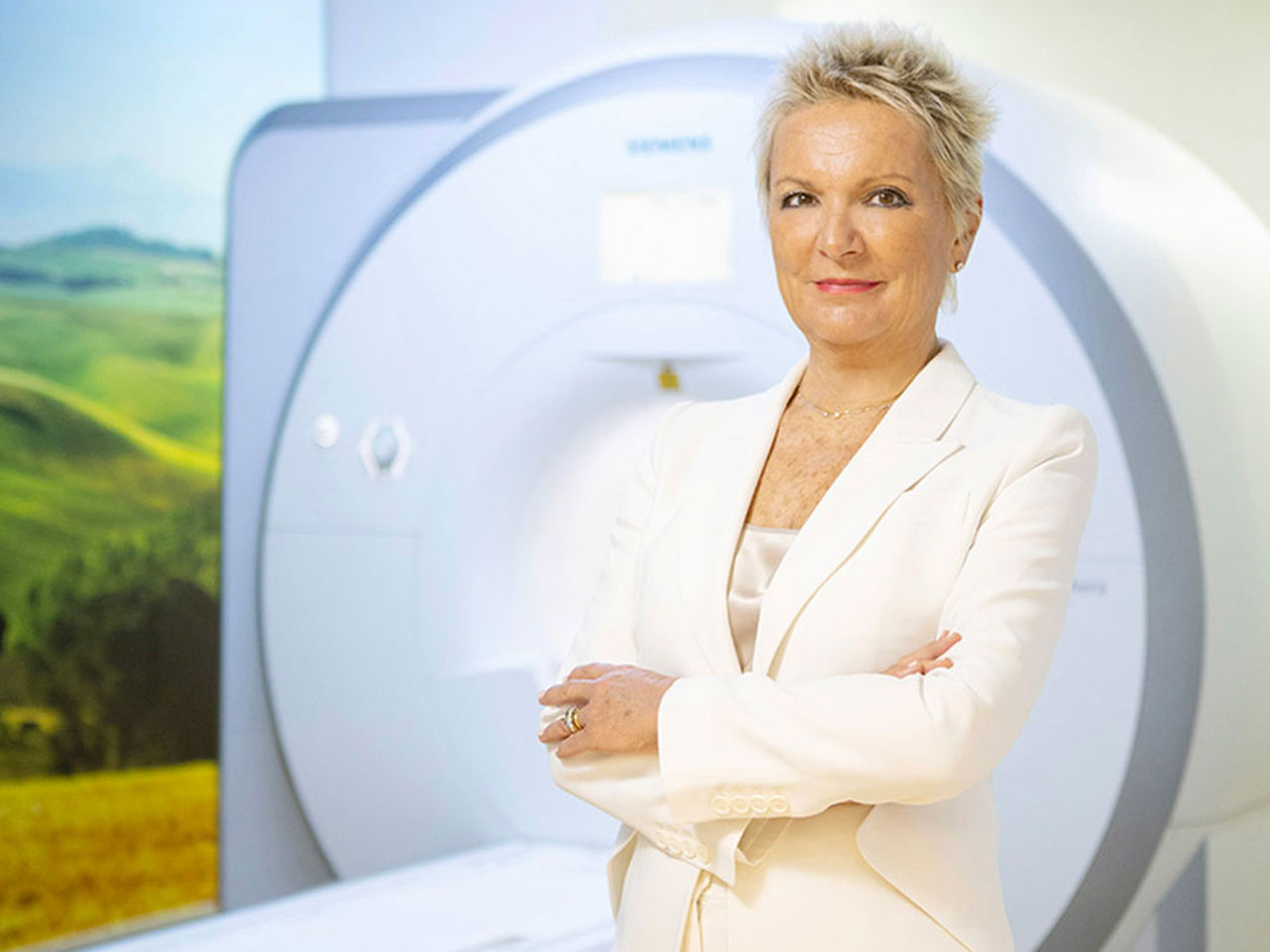
Lucia Magnani Health Clinic
Castrocaro Terme, Forli-Cesena · Italy
Residential clinic-hotel at Castrocaro Terme: Long Life Formula check-ups, whole-body MRI, CT, DEXA and oxidative stress testing.
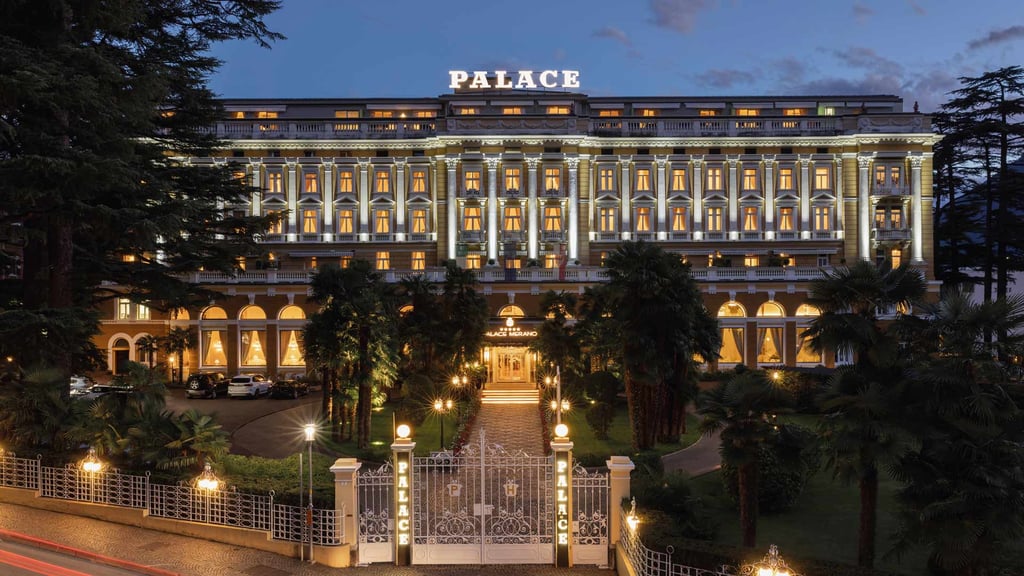
Palace Merano
Merano, South Tyrol · Italy
Residential medical spa in Merano offering DEXA scans, in-house blood profiles, IV vitamin infusions and four- to eight-day Revital programmes.
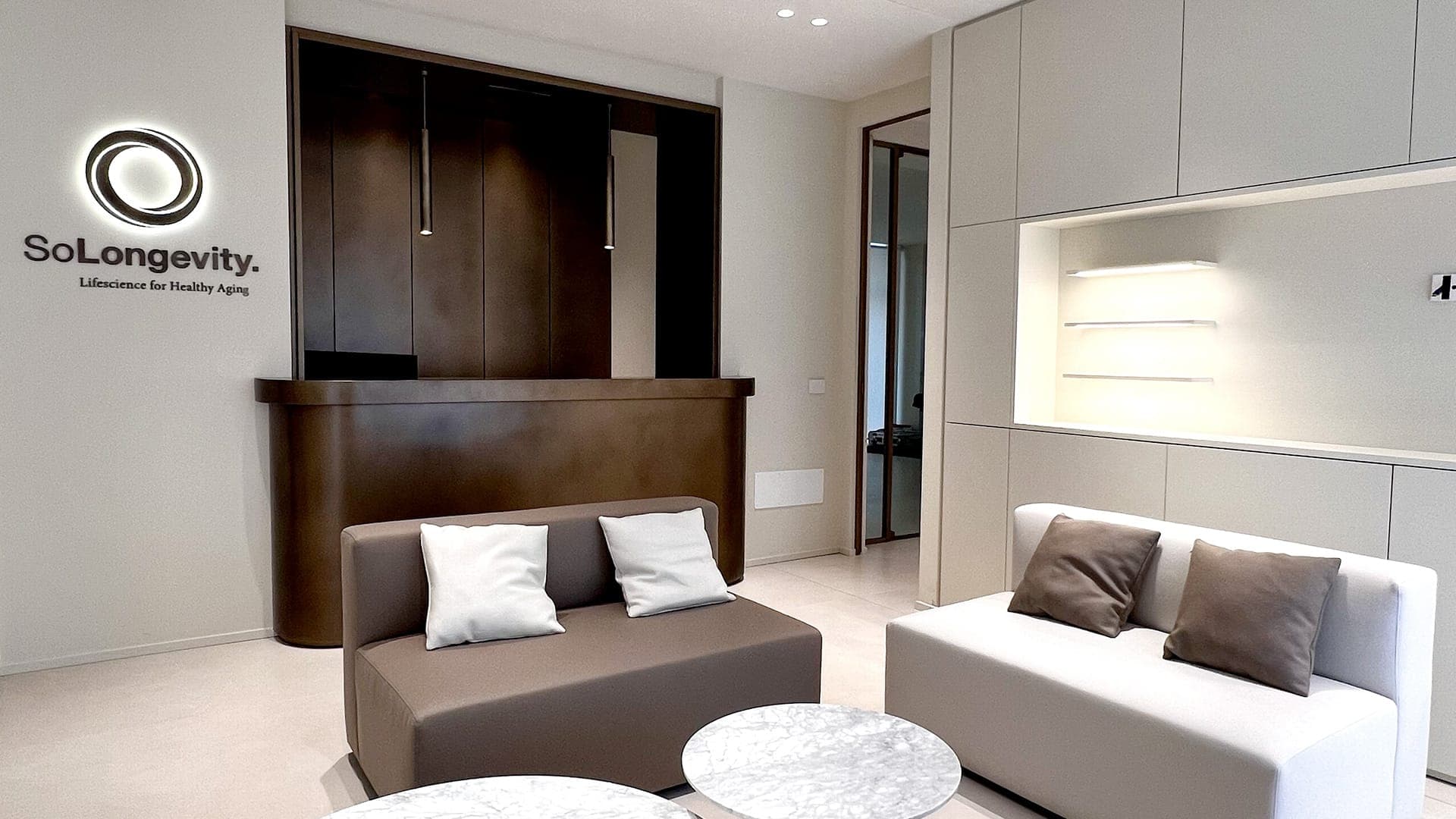
SoLongevity Clinic
Milan · Italy
Longevity clinic in central Milan listing DEXA body composition, VO2 max testing, epigenetic biological age and metabolomic panels.

VYTA Longevity
Abano Terme, Veneto · Italy
Preventative-medicine centre in Abano Terme with epigenetic biological-age testing, VO2 max, NAD+ infusions and priced multi-day check-up pathways.
Cities in Italy
Each city page carries the local listings, the services those clinics offer and what to know before booking there.
What you will find in Italy
Italy's national health service excludes individual preventive care from what it must provide, and longevity clinics sell into that gap. The decree fixing those obligations makes exceptions only for organised vaccination, population cancer screening and counselling on healthy behaviour, so a well adult who wants a scan or a blood panel buys it privately. The businesses filling the gap are not one type: private diagnostic centres, the poliambulatori, sell blood panels and imaging direct to the public, and a regional authorisation to operate is a different permission from accreditation to the public system - two titles a reader is entitled to ask about by name. Doctor-led private practices, usually built around a recognised speciality such as endocrinology, sports and exercise medicine or nutrition science, have added preventive testing to a patient list they already had.
The residential end is where Italy diverges from most of Europe. The country's medical-spa tradition left behind physician-staffed centres in the terme, its thermal spa towns, a statute reordering the sector, and a recognised medical speciality in medicina termale, thermal medicine, which sits on the official list of specialisation schools alongside geriatrics. Longevity retreats here grew out of that estate rather than out of the clinic model, which is why the format is often a hotel with a medical wing rather than a surgery with beds. At the far end sit single-service operators selling one procedure - an infusion, an injection, a scan - rather than an assessment of any kind.
Longevity medicine in Italy
The Servizio Sanitario Nazionale (SSN), Italy's national health service, is tax-funded and run by the regions, and what it owes every resident is set out in the livelli essenziali di assistenza (LEA), the essential levels of care, fixed by the prime ministerial decree of 12 January 2017. That decree's collective prevention level excludes individual preventive interventions, with exceptions only for vaccination organised as a population programme, cancer screening organised the same way, and individual counselling on healthy lifestyles. The organised programmes are mammography for women aged 50 to 69 every two years, cervical screening from 25 to 64 - a smear test to age 30, then a test for human papillomavirus (HPV) every five years - and a two-yearly stool test for bowel cancer from 50 to 70, with several regions extending the age bands.
The second gate is procedural rather than clinical. The SSN provides outpatient specialist tests only where the prescription carries the clinical question or the suspected diagnosis the prescriber has formed, so a well person cannot obtain a scan or a panel through the public system simply by asking, and some tests carry a further filter - bone density scanning is limited to people who present a listed set of risk factors. Where there is a clinical reason the ordinary route is cheap: a general practitioner prescribes and the patient pays the ticket, the co-payment, which Lombardy caps at 36 euros per prescription and which each region sets for itself, with exemptions by income together with age or social condition, and by chronic or rare disease. Hormone prescribing shows how narrow the licensed route is - growth hormone is reimbursed only under Nota 39 of AIFA, the Agenzia Italiana del Farmaco or Italian medicines agency, on the diagnosis and treatment plan of centres each region designates, and registering the prescription in a national registry at the Istituto Superiore di Sanità (ISS), the national health institute, is a binding condition of reimbursement.
Longevity medicine and age-management medicine are not recognised specialities here. The list of medical specialisation schools set by interministerial decree 68 of 2015 contains no such school; the closest recognised titles are geriatria (geriatrics), endocrinologia e malattie del metabolismo (endocrinology and metabolic disease), igiene e medicina preventiva (public health and preventive medicine), medicina dello sport e dell'esercizio fisico (sports and exercise medicine), scienza dell'alimentazione (nutrition science) and medicina termale. Anyone practising medicine must appear on the Albi Unici Nazionali, the national registers of doctors and dentists that FNOMCeO - the Federazione Nazionale degli Ordini dei Medici Chirurghi e degli Odontoiatri, the federation of the provincial medical and dental councils - publishes as a search anyone can run by name. Every private care facility must additionally appoint a direttore sanitario, a medical director enrolled with the territorial council covering its operating address, so responsibility attaches to a named doctor and not only to a company.
Italian rules are unusually explicit about what a doctor may do with a prescription. The professional code of conduct published by FNOMCeO requires a prescription to follow a circumstantiated diagnosis or a well-founded diagnostic suspicion and to rest on the available scientific evidence, and it states in terms that a doctor must not agree to one asked for merely to please the person asking. Prescribing a licensed medicine outside its authorised indication is permitted case by case, on the doctor's own responsibility and with the patient's consent, which the code requires in writing, only where an authorised option would not usefully treat the patient and the use matches work published in accredited international literature. AIFA has separately said that stem cell products are advanced therapy medicines still in the study phase, used only within clinical research authorised by the competent health authorities, and that a single such product holds European marketing authorisation. The supply side is criminal law: Italy's anti-doping statute punishes administering or procuring substances on the ministerial doping lists, which include anabolic agents and peptide hormones and growth factors, where no pathological condition justifies it and the purpose is to alter athletic performance, and it punishes trading in them outside the pharmacy channel with two to six years.
Private practice is not always outside the public hospital. Under the 2007 statute on attività libero-professionale intramuraria - intramoenia, private practice run by the public estate - the hospital manages the work with full responsibility, runs the booking service, sets a tariff agreed with the doctors and collects the fee, which means there is a published public price for a private appointment with the same specialist. Regional differences are documented rather than anecdotal: in 2022 organised breast screening reached 43 per cent of the eligible age group nationally, 54 per cent in the north against 26 per cent in the south, while bowel screening reached 27 per cent nationally, 38 per cent against 12 per cent. Italians already travel domestically for care - the national health services agency Agenas counted 668,145 hospital admissions outside the patient's own region in 2023, worth 2.88 billion euros, with the flow running mainly from south to north. Cross-border rules cut the other way from what visitors often assume: someone insured elsewhere in the European Union is reimbursed by their own system and only for care their own system covers, while the Italian rule that reimbursement follows the LEA governs people insured in Italy who are treated abroad.
Services available in Italy
Every service listed by at least one verified clinic here, with the clinics that offer it. Each service links to what it is, what it costs and what the evidence shows.
Diagnostic
A longevity blood panel goes well past a routine check-up, adding cholesterol particle counts, inflammation markers, hormones and early metabolic signals.
Palace Merano, Longevity Center, Longevity Medical Center, Longevitas, VYTA Longevity and 3 more
A biological age test estimates how old your body behaves, usually by reading chemical tags on your DNA and converting the pattern into a number of years.
Longevity Center, Longevity Medical Center, Longevitas, VYTA Longevity, SoLongevity Clinic
An executive physical packs a year of check-ups into one day: bloods, imaging, a heart and fitness assessment, and a doctor who explains all of it.
Palace Merano, Longevity Center, VYTA Longevity, Longevia, Lucia Magnani Health Clinic
A DEXA scan is a low-dose X-ray that measures muscle, fat, the fat around your organs and bone density far more precisely than any scale can.
Palace Merano, SoLongevity Clinic, Lucia Magnani Health Clinic, Centro Medico BluGallery
A VO2 max test measures the most oxygen your body can use during hard exercise, the fitness number most strongly tied to long-term health.
Longevity Center, Longevitas, VYTA Longevity, SoLongevity Clinic
A full-body MRI is a whole-body scan that looks for tumours, aneurysms and organ disease before symptoms appear, using magnets rather than X-rays.
Therapy
IV vitamin therapy drips vitamins and minerals straight into a vein. It is real treatment for a diagnosed deficiency and weakly supported for anyone else.
Palace Merano, Longevity Center, Longevitas, VYTA Longevity, Longevia
NAD+ IV therapy is a slow drip of a molecule every cell uses to move energy around. The reasoning is well known; the human evidence behind it is very thin.
A PRP injection concentrates the healing platelets from your own blood and puts them back into a painful joint, a stubborn tendon or the scalp.
Lifestyle
Whole-body cryotherapy is two to three minutes in a chamber near minus 120 degrees Celsius, used for recovery, with less evidence behind it than an ice bath.
Red light therapy shines red and near-infrared light on the skin. The evidence is reasonable for skin and hair, mixed for pain, and absent for ageing.
What it costs in Italy
From this directory
Of the 6 priced clinics in Italy, 3 are in the entry band ($) and 3 in the upper band ($$$). 3 further listings do not publish enough to place.
Private cover in Italy is mostly not something an individual buys. Complementary health cover runs through fondi sanitari integrativi and casse, largely employment-based funds that sign up to an Anagrafe, a register held at the health ministry, whose rules require at least a fifth of what they spend on services to go to a defined list - dentistry, socio-health care including for people who are not self-sufficient, and recovery after a temporary incapacity. Whether a self-referred screening package is reimbursed at all is a matter for each fund's own rules, so ask yours in writing before you book rather than after. What is open to everyone is the tax route: documented health spending is deductible at 19 per cent of the amount above 129.11 euros on the Italian annual return.
Two quotes for what looks like the same programme usually diverge on what happens after the test rather than on the test. Ask whether a radiologist's written report on the images is inside the price or extra, whether the consultation that interprets the blood results is included or billed separately, and whether a repeat test is covered when a first result comes back borderline. Ask, too, whether you are buying a one-off assessment or an annual membership that renews. Italian law already obliges a regulated professional to put the foreseeable cost of the work in writing when the engagement is agreed, together with the details of their professional indemnity policy, so a clinic that will not give you a written figure before payment is departing from the local norm rather than following it. Consent sits on the same footing - the 2017 statute requires informed consent to be documented in writing or on video and filed in the clinical record and the electronic health record.
If you are travelling in, settle the after-care before you settle the bill. Ask who explains an ambiguous result and in which language, whether that conversation is included, whether the clinic will send the report to your own doctor at home, and what a recommended repeat test six months later actually means - a second flight, or something your own system will do. Do not assume a private Italian report reaches any public record automatically, so ask for everything as a file you keep, including raw laboratory values and images rather than the clinic's summary of them. Residential programmes attached to the terme raise a separate question about what you are paying for, and Italy's own tax rules draw the line usefully: thermal cures count as deductible health spending, travel and accommodation do not.
What the evidence says
Independent reviews of the research behind services offered by clinics in Italy. They run whether or not the verdict suits the directory.
Longevity clinics in Italy: common questions
Does Italy's national health service pay for preventive tests if you have no symptoms?
No, beyond the organised screening programmes. The decree defining the essential levels of care excludes individual preventive interventions from its collective prevention level, allowing only vaccination organised as a population programme, population cancer screening and counselling on healthy lifestyles. Outpatient specialist tests are provided where the prescription states the clinical question or a suspected diagnosis, so a healthy adult cannot obtain a scan or a blood panel through the public system on request. That exclusion is the gap private longevity clinics sell into.
Can I claim back the cost of a private longevity assessment in Italy?
Partly, and through tax rather than insurance. Documented health spending is deductible at 19 per cent of whatever exceeds 129.11 euros on the Italian annual tax return, and thermal cures qualify while travel and accommodation do not. Complementary cover here is mostly employment-based and reimburses against each fund's own list of services, so whether a self-referred screening package is covered at all depends on that fund. Ask it in writing before booking.
Is longevity medicine a recognised speciality in Italy, and how do I check a doctor?
It is not a recognised speciality. The list of medical specialisation schools set by interministerial decree 68 of 2015 contains no longevity or age-management entry; the nearest titles are geriatrics, endocrinology and metabolic disease, public health and preventive medicine, sports and exercise medicine, nutrition science and thermal medicine. Check any doctor by name on the Albi Unici Nazionali, the national registers published by FNOMCeO, the federation of the provincial medical and dental councils, and ask for the name of the clinic's registered medical director.
Can Italian clinics prescribe hormones, peptides or stem cell treatments?
Only within tight limits. Growth hormone is reimbursed by the public system solely under Nota 39 of AIFA, the Italian medicines agency, through centres each region designates, and registering the prescription in a national registry is a binding condition of that reimbursement. AIFA also states that stem cell products are advanced therapy medicines still in the study phase, used only within clinical research authorised by the competent health authorities, with one such product holding European marketing authorisation. Italy's anti-doping statute makes it a criminal offence to administer or procure listed substances, including peptide hormones and growth factors, where no pathological condition justifies it and the aim is altering athletic performance.
What should I settle in writing before travelling to Italy for a longevity programme?
The price and the after-care, both before you pay. Italian law obliges regulated professionals to state the foreseeable cost of the work and the details of their indemnity insurance in writing when the engagement is agreed, and requires informed consent to be documented and filed in the clinical record and the electronic health record. Ask who explains an ambiguous result and whether that conversation is included, whether you receive raw laboratory values and images rather than a summary, and what a recommended repeat test would involve.