Cold Plunge Therapy Clinics
A cold plunge is a few minutes in water around 4 to 15 degrees Celsius. Reliable for mood and soreness, and best kept well away from your lifting sessions. 2 clinics in this directory list Cold Plunge Therapy, across 2 cities.
Facts on this page are checked against each clinic's own website. Oldest check: 8 September 2026.
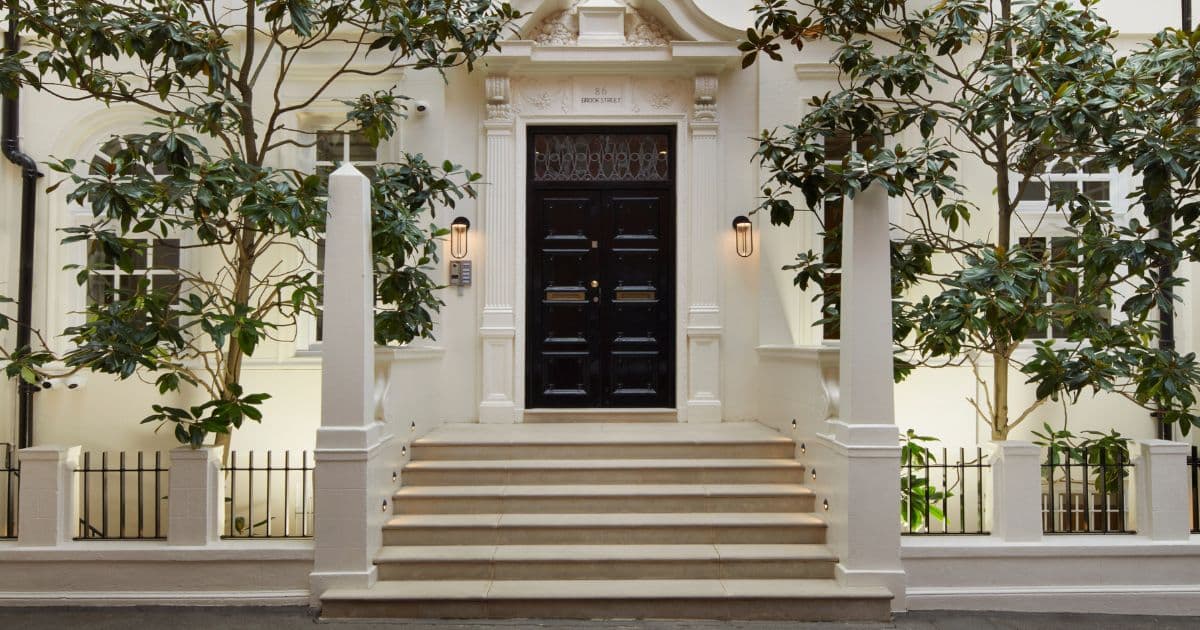
HOOKE London
London · United Kingdom
HOOKE London is a longevity clinic listing biomarker panels, executive physicals and cold plunge therapy.

Remedy Place
Los Angeles · United States
Remedy Place in Los Angeles lists 6 longevity services, including VO2 max testing, hyperbaric oxygen, NAD+ IV therapy and peptide therapy.
Cold Plunge Therapy explained
Cold plunge therapy is immersion in water at roughly 4 to 15 degrees Celsius for two to ten minutes, usually in a dedicated tub. Many clinics pair it with a sauna in alternating rounds, which is what contrast therapy means.
Unlike a cryotherapy chamber, water actually cools the tissue - water carries heat away from the body far faster than air, which is why a few minutes of cold water does more than a few minutes of much colder air.
The best-supported effect is on how sore people feel after hard exercise. There is also consistent evidence of a large, short-lived rise in the body’s alerting chemicals during and after immersion, which is the plausible basis for the mood and alertness effects people describe. Claims about metabolism, immunity and fat loss are much weaker.
The important caveat is the same one as for cryotherapy, and it is better established here: regular cold immersion straight after resistance training blunts some of the muscle adaptation. If strength or size is the goal, cold water is better kept away from the hours after training.
What it costs
Drop-in sessions are inexpensive and memberships cheaper still, and clinics usually bundle plunge and sauna together because contrast rounds are how people use them.
The comparison worth doing is against a home tub or a cold shower, both of which deliver the same physiology for a one-off or zero cost. What a clinic adds is controlled temperature, supervision and a sauna beside it.
Not covered by insurance anywhere.
Who it suits, and who it does not
It suits people who want the mood and alertness effect, which is real and reliable, and people managing soreness between hard training sessions.
It suits people badly straight after resistance training if the goal is muscle growth or strength.
It is genuinely risky for some people rather than merely unsuitable. Cold water immersion causes an involuntary gasp and a sharp rise in heart rate and blood pressure, which is dangerous in undiagnosed heart disease.
It is avoided in pregnancy, in uncontrolled high blood pressure, and in anyone with a cold-triggered condition. Nobody should plunge alone.
Questions to ask before you book
The answers separate clinics far more reliably than the service list on their website does.
- What temperature is the water held at, and is it monitored
- How is the water filtered and how often is it changed
- Is someone present during the plunge
- What do you screen for before a first session
- Do you run contrast rounds with a sauna, and what order do you suggest
- What do you advise people who lift weights about timing
What the evidence says
Our own reviews of the research behind this service, written from the published papers and linked to them. They run whether or not the verdict suits the directory.
Cold Plunge Therapy by city
Where to get it: every city with at least one verified clinic listing this service, most listings first.
United Kingdom
United States
Cold Plunge Therapy: common questions
How cold should a cold plunge be?
Most facilities run between 4 and 15 degrees Celsius. Colder is not better - it mostly shortens how long anyone can stay in, and the research uses a wide range of temperatures with similar effects.
How long should you stay in a cold plunge?
Two to ten minutes is the usual range, and beginners start at the short end. The physiological response starts within seconds, so a long stay is not what makes it work.
Does cold plunging burn fat?
The claim rests on brown fat, a tissue that generates heat, and the effect on total energy use in humans is small. Cold immersion is not a weight-loss intervention.
Does cold water hurt muscle growth?
Regular immersion immediately after resistance training appears to blunt some of the adaptation. If strength or size is the goal, separating cold exposure from training by several hours is the usual advice.
Is cold plunging safe?
For screened, healthy people it is generally safe with supervision. The cold shock response - an involuntary gasp and a sharp rise in heart rate and blood pressure - is what makes it dangerous in undiagnosed heart disease, and why nobody should plunge alone.